Dedicated Aged Brain Health Solutions
Specialized senior memory care programs serve a critical function in assisting people with cognitive impairments. These services offer customized treatment approaches and structured environments that enhance emotional well-being. Trained staff members provide compassionate support, building relationships and participation. As loved ones seek the best options for their family members, grasping the features and benefits of these services becomes vital. The journey of discovering the perfect match can lead to transformative experiences for both elderly individuals and their relatives.
Coping With Memory Loss: Recognizing Memory Care
Managing memory loss demands a nuanced knowledge of memory care, as it involves diverse strategies tailored to unique circumstances. Memory care focuses on caring for elderly individuals with memory problems, such as Alzheimer's disease or other kinds of dementia. This specialized approach aims to create a protective and systematic space that fosters independence while ensuring the health of residents.
Effective memory care programs often provide personalized care strategies, stimulating content activities, and therapeutic approaches developed to activate brain function. Caregivers receive specialized instruction to appreciate the nuances of memory deterioration and to communicate adeptly with residents. Furthermore, cultivating relational bonds and emotional nurturing is indispensable in strengthening quality of life for those affected. To conclude, understanding memory care necessitates recognizing the multifaceted problems faced by subjects with memory loss and the importance of tailored interventions to handle those challenges capably.
Key Aspects of Successful Memory Care Solutions
Effective memory care programs incorporate several essential features that enhance the quality of life for mature adults. Personalized care plans are vital, as they address individual needs and preferences. Additionally, an engaging activities schedule and qualified staff competency play significant roles in fostering a supportive environment for residents.
Tailored Treatment Approaches
Personalized care plans act as the cornerstone of effective memory care programs, customizing support to the unique needs and preferences of every individual. These plans are formulated through detailed assessments, which assess cognitive function, medical history, and personal interests. This tailored approach guarantees that caregivers can provide relevant and significant support, boosting the quality of life for residents. Regular reviews of these care plans permit adjustments based on the individual's evolving needs and progress. Additionally, involving family members in the planning process fosters collaborative relationships and promotes a holistic understanding of the resident's background and preferences. Ultimately, personalized care plans are vital in addressing the complexities of memory care, guaranteeing that each resident receives compassionate and effective assistance.
Captivating Programs Calendar
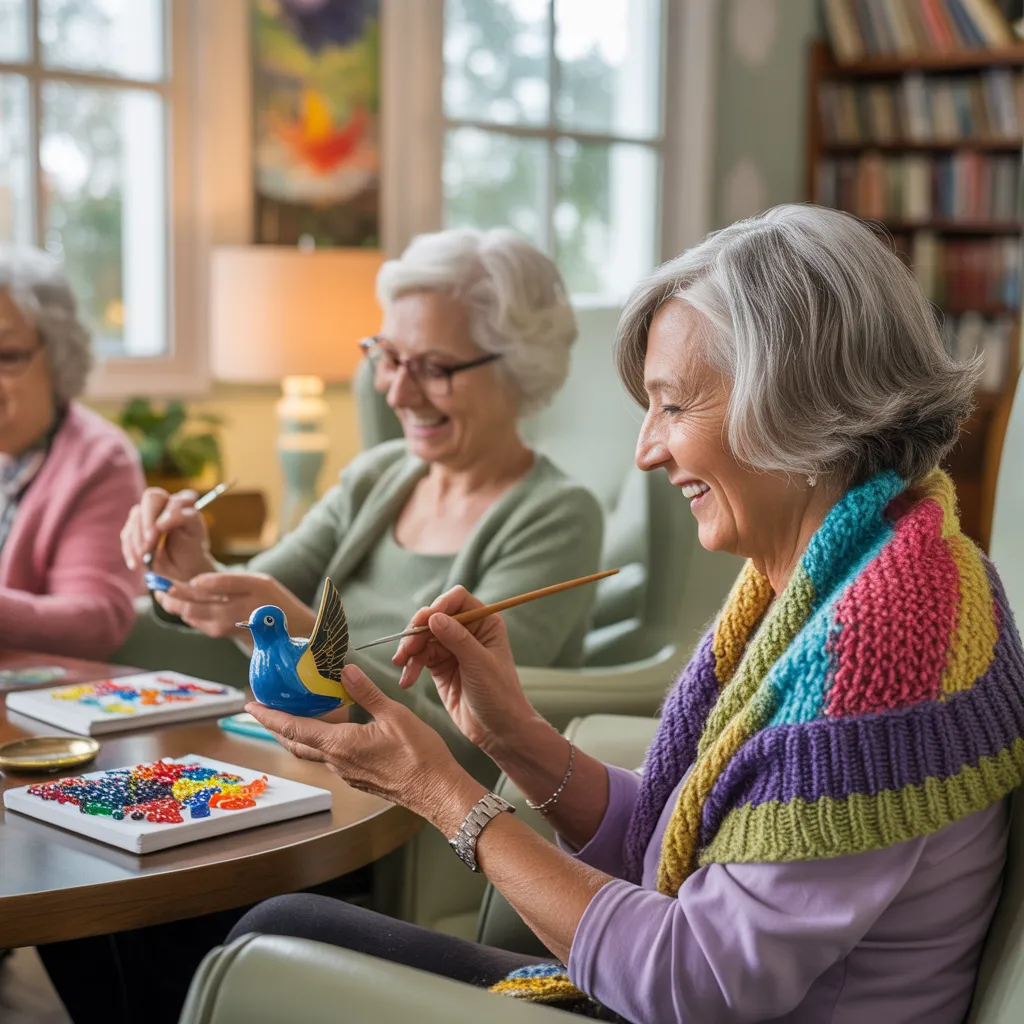
An exciting activities schedule is necessary in facilitating mental stimulation and interpersonal connections within memory care programs. Such a program regularly includes a variety of activities suited to the interests and talents of residents. Possibilities may include from music sessions and art therapy to group discussions and memory games. Routine exercise programs, like walking groups or light workouts, can also strengthen wellness. Also, weaving in sensory experiences, such as cooking or gardening, can stir cherished moments and increase involvement. By centering on both group programs and personal interests, these programs not only cultivate intellectual stimulation but also cement bonds among individuals. At the end of the day, a carefully planned program of activities
Experienced Staff Competence
Trained staff play a essential role in the performance of memory care programs, ensuring that residents receive the specialized support they need. Their capabilities includes understanding various aspects of dementia and effective communication strategies tailored to individual residents. Ongoing training in behavioral management techniques advances their ability to address challenging situations with compassion and patience. Additionally, staff members are equipped to implement personalized care plans that focus on the particular needs and preferences of each individual. This specialized training fosters a safe and nurturing environment, promoting cognitive engagement and emotional well-being. Ultimately, the proficiency of trained staff not only improves the quality of care but also enriches the overall experience for residents, making them feel valued and understood.
How Bespoke Care Supports Treatment of Alzheimer's and Dementia
While many individuals with Alzheimer's and dementia encounter distinct obstacles, customized support can significantly improve their quality of life. Tailored care plans, developed based on individual needs and choices, guarantee that each person receives the specific help that promotes their health and wellness. This approach not only handles daily living tasks but also highlights emotional and mental support.
key part in making life more manageable and enjoyable for those dealing with Alzheimer's and dementia.
Determining the Ideal Memory Care Program for Your Family Member?
Choosing the right memory care facility requires a careful evaluation of the specific needs of the family member. It is essential to assess the programs provided by each program and how they match those needs. Furthermore, taking into account the qualifications of the caregivers can have a important role in guaranteeing quality care and assistance.
Evaluate Specific Requirements First and Foremost
How can families confirm they choose the most suitable memory care program for their family members? The initial step involves a thorough assessment of personal requirements. Families should take into account the specific cognitive challenges their loved ones face, as well as their bodily wellness, emotional state, and personal preferences. Understanding the unique combination of these factors can assist in identifying a program that matches their loved one's requirements. Additionally, families should assess the level of care needed, including assistance with daily activities and any expert health services. Engaging in frank discussions with the loved one and consulting with healthcare professionals can further clarify these needs, ensuring a more informed decision when selecting the appropriate memory care program.
Examine Program Options Presented
It is necessary to evaluate the activities offered by memory care programs to make sure they address the needs and preferences of residents. Participating in activities can enhance cognitive function and encourage social interaction, which improves overall quality of life. Programs should include a variety of activities suited to different cognitive levels, such as arts and crafts, music therapy, and guided reminiscence sessions. Outdoor activities and physical exercises remain important for boosting physical health and mobility. Additionally, it is valuable to evaluate whether the activities promote family involvement, encouraging connections between residents and their loved ones. Ultimately, a balanced schedule that focuses on both mental and physical engagement can greatly impact a resident's emotional well-being and fulfillment.
Evaluate Team Member Certifications Attentively
relatives receive expert care, making caregiver expertise a vital factor
Memory Care Activities That Advance Well-Being
Taking part in memory care activities can substantially improve the well-being of seniors with cognitive challenges. These activities are crafted to stimulate cognitive function, enhance social interaction, and advance emotional health. Activities including puzzles, memory games, and reminiscence therapy encourage mental involvement and help fortify neural connections. Art and music therapy provide creative avenues, allowing seniors to express themselves and link with their emotions.
Physical activities, like gentle exercises or dance, not only better mobility but also boost outlook and reduce anxiety. Gardening and nature walks can strengthen sensory experiences and nurture a recognition of achievement. Social pursuits, such as storytelling or cooking classes, support socialization, reducing feelings of isolation. Ultimately, tailored memory care activities play an essential contribution in protecting personal worth and enhancing the quality of life for seniors, providing them with worthwhile encounters that foster joy and togetherness in their daily lives.
Family's Role in Supporting Memory Care
Family members maintain an indispensable role in contributing to memory care, as their involvement can markedly enhance the standard of living for seniors tackling cognitive challenges. By maintaining ongoing contact, families help seniors feel engaged, curtailing feelings of disconnection that commonly follow memory loss. Direct participation in care practices, such as assisting in daily activities and participating in therapy sessions, promotes a sense of reassurance and ease.
Furthermore, family members can champion their loved ones, guaranteeing their needs and preferences are fulfilled within memory care programs. Exchanging personal stories and memories can stimulate mental involvement, making everyday exchanges more significant. Understanding the specific challenges of mental deterioration enables families to deliver customized assistance, creating a nurturing environment. Overall, the psychological and functional participation of relatives is essential, as it not only enhances the senior's experience but also strengthens family bonds during this challenging journey.
Life-Changing Success Stories From Cognitive Care Programs
The participation of relatives in memory care not only enhances the emotional well-being of seniors but also sets the stage for significant improvements within care facilities. In one notable case, a resident named Margaret, who exhibited severe anxiety, underwent a significant shift after her daughter began participating in routine programs. Their time together created a sense of safety, resulting in better engagement with caregivers and other residents.
Similarly, a scheme in a local facility dedicated to individual story sharing, permitting residents to recount their life experiences with family. This effort not only enhanced seniors' confidence but also strengthened familial bonds, producing marked improvements in mood and cognitive engagement.
These case studies exemplify that when families become involved in memory care, they create an environment conducive to improvement and expansion, showcasing the powerful effect of warmth and connection in specialized memory care settings.
Frequently Requested Questions
What Requirements Must Staff Maintain in Memory Care Programs?
Caregivers in elderly support programs should obtain pertinent certifications in geriatric care or dementia care, proficiency in managing behaviors, strong interaction abilities, care and understanding, and frequent training to remain informed about best practices for aiding individuals with memory impairments.
In What Ways Do Memory Care Programs Address Medical Emergencies?
Memory care initiatives typically create guidelines for urgent health situations that contain staff training, immediate access to doctors and nurses, action plans for crises, and routine practice exercises to guarantee preparedness for various critical situations affecting patients' medical condition.
Can You Keep Pets at Memory Care Facilities?
Animal-welcoming care homes appreciate the positive effects that pets have on residents' emotional well-being. Places of this kind frequently permit pets, strengthening bonds and reducing stress in people with memory challenges.
How Much Does Memory Support Cost on Generally?
Memory care programs typically cost between $3,000 to $7,000 monthly, subject to location, amenities, and the level of care needed, as many facilities present multiple pricing options to address varying needs.
How Can Parents Communicate With Staff About Their Family Member's Needs?
Families may engage productively with staff through organizing regular gatherings, relaying comprehensive feedback, posing inquiries about care approaches, and articulating apprehensions. Candid dialogue builds partnership and guarantees that the loved one's needs are steadily met.